
Cycling is a popular activity for children in Canada, offering plenty of exercise and fun. While helmets are often the first safety gear parents think of, kids’ bike gloves are equally important.
This is because bike gloves protect young hands from minor cuts, blisters, and vibrations while providing a secure grip on the handlebars. They also support young cyclists during long rides and off-road adventures. Selecting a pair that fits well, feels comfortable, and provides adequate protection can improve both their safety and confidence.
Here, we explore key features, materials, and designs to help parents understand what makes kids’ bike gloves practical and suitable for various cycling needs.
Why Bike Gloves Matter to Kids in Canada
Understanding the role of bike gloves helps parents make informed decisions for their children’s safety and comfort.
- Protection from Falls and Scrapes: Gloves act as a protective layer for a child’s hands, especially during sudden falls or unexpected accidents. When a child grips the handlebars tightly or loses balance, hands often take the brunt of the impact. The material used in kids’ bike gloves in Canada helps prevent scratches, small cuts, and bruises. Some gloves also feature reinforced knuckle and palm areas that absorb shock and reduce the severity of injuries. Even on simple rides on smooth pavement, gloves reduce friction between the skin and handlebars. By reducing skin irritation and providing a soft buffer, gloves also encourage children to ride with more confidence, knowing that their hands have added protection.
- Improved Grip and Control: Maintaining a secure grip on the handlebars is essential for safety. Gloves enhance grip by providing a textured surface that reduces slipping, especially when hands become sweaty or wet. This is particularly important for children learning to control a bike, as their hands are smaller and may struggle to hold the handlebars firmly. The palm padding on gloves distributes pressure evenly, reducing the chance of losing control during turns or sudden stops. Kid’s bike gloves improve this responsiveness, allowing children to brake and steer with greater precision. Parents often notice that their child feels more confident when wearing gloves, as the enhanced grip encourages smoother, controlled movements while cycling.
- Comfort on Long Rides: Long rides, whether in the park, on bike paths, or on off-road trails, can strain small hands. Gloves with proper padding help reduce hand fatigue by cushioning the palms and absorbing vibrations from uneven surfaces. Lightweight gloves allow airflow, preventing overheating and keeping hands dry during extended periods of activity. Comfortable gloves reduce distractions, allowing children to focus on riding rather than discomfort or soreness.
The right pair of kids’ bike gloves helps children in Canada ride longer and enjoy the experience without feeling tired or irritated. A comfortable fit also encourages consistent use, making gloves an essential part of their cycling routine.
- Weather Protection: Cycling in cold, windy, or wet conditions can make hands cold, numb, or slippery. Gloves made from windproof or water-resistant materials maintain their warmth and provide better control in such conditions. Even a light drizzle can make handlebars slippery, reducing the bike’s stability.
Gloves also act as insulation, keeping fingers flexible so children can operate brakes and gears safely. In colder months, thermal or fleece-lined gloves are particularly useful, while lightweight, breathable gloves suit summer rides. Parents can select gloves based on the local climate, ensuring their child’s hands remain comfortable and protected year-round, which adds to both their safety and riding enjoyment.
Features to Look for in Kids’ Bike Gloves in Canada
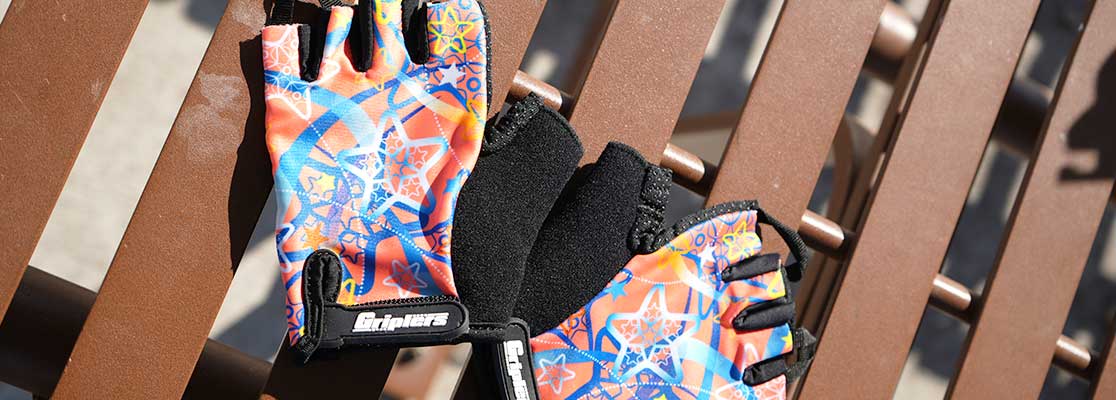
Certain design elements make gloves more functional and comfortable for young cyclists.
- Proper Fit and Size: Gloves should fit snugly without restricting movement. An overly tight glove can limit finger mobility, while a loose glove can slip, reducing grip and protection. Adjustable closures, such as Velcro straps, help maintain a secure fit as children grow or during long rides.
Parents can measure their child’s hand width and length to select the appropriate size. Some brands provide size charts based on age and hand measurements, which can simplify the selection process. A well-fitted kids’ bike glove enhances performance and reduces the risk of discomfort, blisters, or accidents caused by slipping gloves during rides.
- Material and Breathability: Material choice affects the comfort, durability, and grip of your child’s bike gloves. Breathable fabrics like mesh allow airflow, preventing hands from becoming sweaty, while synthetic leather or reinforced palms provide durability and protection. Soft inner linings prevent irritation and chafing, which is important for children with sensitive skin. Lightweight fabrics allow freedom of movement while maintaining protection. Durable construction ensures the gloves withstand frequent use, minor falls, and regular washing.
When considering bike gloves for daily rides or occasional use, material selection balances comfort, safety, and longevity for young cyclists.
- Padding and Shock Absorption: Palm padding cushions hands and reduces vibrations from rough terrain, uneven pavements, or gravel paths. Foam or gel inserts can absorb shocks, preventing hand fatigue during longer rides. For children who enjoy off-road cycling, thicker padding provides additional protection against bumps and small impacts. Padding also spreads pressure evenly across the palm, which helps prevent soreness or blisters.
Even for casual riders, gloves with padding create a smoother ride and encourage children to hold their handlebars confidently, reducing the chance of accidents caused by discomfort or fatigue.
- Durability and Maintenance: Children are often rough with their gear, making durability a critical factor. Gloves should withstand regular use, frequent washing, and minor scrapes without losing their shape or effectiveness. Materials that dry quickly, resist wear, and retain padding over time provide value for parents. Reinforced stitching and high-quality fabrics prevent tearing or fraying. Proper maintenance, such as gentle washing and air drying, preserves glove performance and hygiene.
Investing in durable kids’ bike gloves reduces the need for frequent replacements, offering long-term protection and comfort for young cyclists in Canada.
- Safety Features: Some gloves include reflective elements or bright colours to improve their visibility in low-light conditions, such as early morning or evening rides. Visibility is important on streets or shared paths, ensuring others notice young cyclists from a distance.
Gloves that combine safety features with comfort allow children to focus on riding without distractions. Bright and visible gloves also make it easier for parents or instructors to monitor children during group rides or cycling lessons. Even small reflective patches can contribute significantly to safety when paired with other protective gear like helmets and elbow pads.
Types of Kids’ Bike Gloves in Canada
Different activities and conditions require different glove designs for optimal performance.
- Full-Finger Gloves: Full-finger gloves cover the entire hand, offering protection for knuckles, fingers, and palms. They are suitable for off-road trails, mountain biking, and colder weather. By covering the fingers, these gloves reduce the risk of your children getting cuts and scrapes from branches or falls. Full-finger designs also provide extra warmth in cooler climates and maintain grip in wet conditions. For children who ride in more challenging terrain, these gloves add a layer of protection that improves both your child’s comfort and confidence.
- Half-Finger Gloves: Half-finger gloves leave the fingertips exposed, allowing better ventilation and tactile feedback. They are ideal for warm-weather rides or casual cycling. These gloves provide sufficient palm padding for comfort while keeping hands cool. Children can feel the handlebars directly, which may help with learning balance and control.
While they offer less protection for the fingers, half-finger gloves remain effective for short rides, urban paths, and recreational cycling.
- Padded Gloves: Padded gloves focus on comfort by adding cushioning to the palm and finger areas. The padding absorbs vibrations from rough roads or trails, reducing fatigue during long rides.
These gloves are especially helpful for children who spend extended periods cycling. Thicker padding may also provide a buffer against minor impacts or sudden jolts. A padded kids’ bike glove allows children to ride longer without discomfort, making cycling more enjoyable while maintaining safety.
- Lightweight Gloves: Lightweight gloves prioritize flexibility and ventilation. They are suitable for casual rides, short commutes, or hot summer days.
These gloves allow natural hand movement while providing basic protection and grip. Their lightweight designs reduce sweat from accumulating and prevent hands from overheating. They are also easier for children to pull on and off, encouraging consistent use during everyday cycling activities.
Tips for Using and Caring for Kids’ Bike Gloves
Proper care ensures that gloves remain effective and comfortable for a long time.
- Regular Cleaning: Gloves should be cleaned regularly to remove dirt, sweat, and bacteria. Handwashing with mild soap and air drying is recommended to maintain material integrity. Cleaning prevents odours and keeps gloves comfortable for repeated use. Frequent cleaning also prolongs the life of padding and stitching, ensuring gloves continue to provide protection and grip.
- Correct Storage: Gloves should be stored in a cool, dry place away from direct sunlight. Moist or hot environments can degrade materials, shrink fabric, or weaken padding.
Keeping gloves organized and stored properly makes them easy to find before rides and maintains their shape and functionality over time.
- Checking for Wear and Tear: Regular inspections help identify holes, thinning padding, or loose stitching. Worn gloves may reduce grip or protection. Parents can replace damaged kids’ bike gloves before they affect their children’s comfort or safety, ensuring that they always ride with reliable gear.
- Adjusting Fit: Children grow quickly, and glove sizes may need to be updated regularly. A glove that is too tight can limit movement, while a loose glove can slip and reduce grip. Adjustable closures, such as Velcro straps, help maintain a secure fit, ensuring consistent performance and safety during rides.
Selecting the right kids’ bike gloves supports safety, comfort, and confidence for young cyclists in Canada. Gloves protect little hands from scrapes, reduce fatigue, and improve control on various surfaces. Paying attention to fit, materials, padding, and durability helps parents choose gloves suited to their child’s cycling needs. Regular care and inspection extend the lifespan and effectiveness of these gloves, keeping them functional and safe. By understanding the features and types of kids’ bike gloves available, parents can provide their children with a practical and protective accessory. A well-designed kids’ bike glove enhances the cycling experience, allowing children to ride confidently, comfortably, and safely across a range of environments.