
Parents want safe and reliable mountain biking (MTB) gear for their children, and one of the most important items is a good pair of gloves. That’s because junior MTB gloves support your child’s grip, comfort, and hand movement during offroad rides.
Each part of the glove serves a purpose. The fabrics, palm design, finger shape, and wrist structure all influence how confident a young rider feels on their mountain bike.
In this post, Griplers explains the top features you should focus on when buying MTB gloves for your children, so you know what matters and why. Parents should look for gloves that can handle long rides, changing weather, and rough trails.
Let’s get started.
Key Features for Comfort and Control in Junior MTB Gloves
The following sections break down each feature of junior MTB gloves that supports function, safety, and long-term use.
1. Palm Construction and Grip Texture
Palm design affects how young riders hold their handlebars, especially on long or rough rides. When looking for junior MTB gloves, check the material used on the palm section. Synthetic leather is common because it is strong, flexible, and light. It also handles sweat well.
Many gloves have printed or raised patterns on the palm. These patterns support grip, especially when hands get damp. A plain surface is fine for short rides, but textured prints work better for steady contact with handlebars. Proper palm padding supports the hand during bumps or drops without feeling bulky. Riders need a glove that stays comfortable but still lets them feel the handlebars in a natural way.
2. Finger Fit and Flexibility
Your child’s fingers should match the natural bend of the glove’s hand. Gloves that limit movement make riding harder. Young riders need a design that moves with their hands, not against them.
Many junior MTB gloves include stretch panels between the fingers. These sections allow simple hand motions, such as shifting gears or braking. Gloves that feel stiff can distract a rider, especially during climbs or when biking on uneven surfaces.
Check that the fingertips align with the length of the fingers. Gloves that are too long can bunch up, while those that are too short can pull back during braking.
Fingertip design also matters. Some gloves include silicone prints at the tips, supporting a steady hold on brake levers. This helps young riders apply steady pressure without slipping.
3. Breathable Materials for Temperature Control
Young riders sweat, and trapped moisture can lead to discomfort. Breathable fabrics help keep the temperature steady inside the glove. Mesh panels are useful because they let air move through the glove without weakening the material.
Many junior MTB gloves use a mix of mesh and synthetic leather to balance airflow and strength. Breathable fabric also helps hands stay dry, which supports grip.
If sweat builds up, the glove can slide around the hand or make the rider loosen their grip. Both issues can cause discomfort on longer rides. Better airflow inside the glove means fewer stops to wipe hands. This helps young riders stay focused on the trail. Breathable material is also helpful for summer riding when the heat builds quickly.
4. Wrist Design and Closure Systems
The wrist area should keep the glove in place without being too tight. A secure wrist closure helps the glove stay still during bumps and turns.
Many junior MTB gloves use hook-and-loop straps because they are simple and quick to adjust. A good strap sits flat and does not scratch the skin. Some gloves do not have straps and instead rely on a stretch fit wrist.
This is light and simple for young riders who want something easy to pull on and off. The wrist should stay in contact with the skin but not press too hard. A loose wrist leads to shifting, and a tight wrist can limit blood flow. A balanced design supports steady hand movement and confidence.
5. Padding Placement and Comfort
Padding helps with shock absorption, especially when riders hit rough ground. But too much padding can reduce hand movement.
The best junior MTB gloves use small pads in key areas rather than thick layers all over the palm. Look for padding near the base of the thumb, across the lower palm, and sometimes under the fingers. These zones receive the most pressure during riding.
Thin, well-placed pads help young riders stay comfortable without losing direct contact with their handlebars. Poor padding design can create hotspots or pressure points. Good padding reduces vibration, which helps riders stay steady during long sections of trail. Comfort is not only about softness but how the glove holds its shape during motion.
6. Durability and Stitching Quality
Strong stitching helps gloves last through heavy use. Young riders often fall, drag their hands, or use their gloves for more than just riding. When checking junior MTB gloves, look for double-stitched seams in high-stress areas. The palm, the thumb joint, and the sides of the fingers should have tight, clean stitching. Loose threads can catch or tear easily. Reinforced panels in areas that wear out fast also support longer use.
Many gloves rely on layered fabrics to prevent rips from forming. Durable gloves save you money in the long run because they stay usable for many rides. They also hold their shape better, which helps the rider stay comfortable.
7. Seasonal Needs and Weather Considerations
Weather plays a big part in your choice of glove. Warm-weather gloves use breathable materials and light padding. Cold-weather gloves include insulation and wind-blocking sections. Riders should not wear gloves meant for summer during cold months because hands cool down fast on a moving bike.
Some junior MTB gloves include water-resistant coatings for wet rides. Others include soft linings for morning or fall rides. Gloves that match the weather support better control because the rider can move their fingers properly. Wet or cold hands move slowly, and that affects reaction time. A glove that suits the weather helps your young cyclist stay steady and relaxed on their bike.
8. Finger Style: Full-Finger vs. Half-Finger
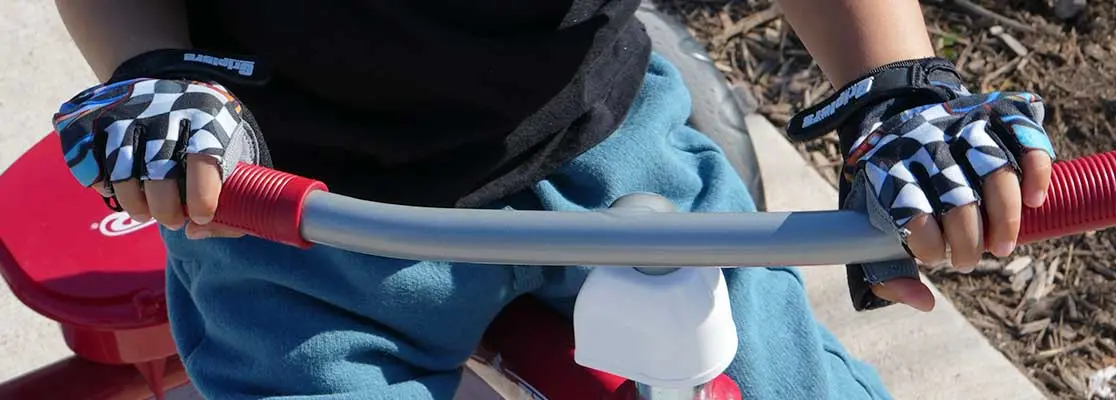
Junior MTB gloves come in both full-finger and half-finger styles, and both have advantages for young riders. Full-finger gloves provide maximum protection for fingers and knuckles, making them ideal for rough trails. Half-finger gloves, like those offered by Griplers, are lightweight and flexible, giving young riders excellent breathability and freedom of movement.
They allow fingers to feel the handlebars directly, which can improve control and comfort during longer rides in warm weather. Half-finger gloves are easy to put on and remove, and they keep hands cooler while still offering good grip and padding where it’s most needed. For kids who prefer a lighter, freer feel, half-finger gloves are a great choice.
9. Fit and Hand Measurements
A good fit supports comfort during long rides. Gloves that are too loose move around; too tight, and they restrict movement. Measuring your child’s hand before buying them junior MTB gloves helps avoid both problems. Measure the width of their palm and the length from the base to the tip of the middle finger. This helps find the right size on the size chart.
A good fit lets the rider move their fingers easily and keeps the glove steady. Gloves that match the hand shape allow natural motion. A poor fit can distract the rider and make simple tasks harder. A well-fitted glove helps the rider feel steadier and more relaxed.
10. Protection in Case of a Fall
Young riders often fall, and gloves protect the skin from scrapes and cuts. Many junior mountain biking gloves include reinforced panels on the knuckles and outer fingers. These protect the skin when their hands hit the ground. The palm material also guards against sharp stones or rough surfaces. Lightweight padding helps absorb some of that impact.
Protection does not mean the glove has to feel heavy. A good junior MTB glove design finds balance so riders stay safe without losing control. Parents should check how the gloves handle friction because, during a fall, a child’s hands may scrape or slide along the surface. A glove with strong palm fabric helps reduce injuries.
11. Extra Functional Features
Small features make junior MTB gloves more useful. Some gloves include soft fabric on the thumb to wipe sweat from the face during rides. Others include pull tabs that help the rider remove the gloves faster. Touch screen fingertips help older kids use their devices without removing their gloves.
Some gloves include reflective details for better visibility during early morning or late evening rides. These features make riding simpler and more comfortable. They do not replace key design elements like grip and padding, but do add convenience.
12. When to Look for Specialized Designs
Some riders need more than basic gloves. Gloves with reinforced knuckles help riders who go on rough trails; those with gel pads help riders who spend long hours on the bike. Lightweight gloves help riders who prefer fast rides and smooth trails. Parents should match the glove to their child’s riding style.
Junior mountain bike gloves suit general off-road use but maintain a simpler structure. Each design helps riders stay comfortable on different types of ground. The right pair supports the rider’s habits and helps them enjoy each ride without discomfort.
13. Long-Term Value and Replacement Timing
A strong pair of gloves lasts longer and performs better. But no glove lasts forever. Parents should check the gloves’ fingertips, palm texture, and stitching from time to time. If the material thins out or the grip fades, it is time to replace them. Long-term value comes from fabrics that resist tearing and cushion the hand well.
The best junior MTB gloves hold their shape even after many uses. This helps the rider stay comfortable and confident. A glove that wears out quickly can cause discomfort or distraction. Checking gear often helps avoid problems during rides.
Buying the right pair of gloves supports a young mountain biker’s comfort, safety, and control on the trail. Each feature plays a role, from the grip on the palm to the airflow through the fabric. Good gloves protect the skin, support hand movement, and help riders stay steady as they move over bumps and turns. When parents understand glove structure, picking the right option becomes simple. Strong stitching, good padding, and breathable fabric all help the glove perform well. A well-fitted pair of junior MTB gloves adds value to every ride. With the right gloves, young riders feel ready for any trail and enjoy each moment on the bike.