
Junior bike gloves play a key role in making cycling safe and comfortable for young riders. They need gloves that fit well, protect their hands, and offer good control while cycling.
But selecting the right pair goes beyond just picking a size. Factors like padding, grip, material, and flexibility all affect a child’s cycling experience.
Parents often look for padded kids bike gloves to add extra protection for their child’s growing hands. Here, we will explore the main features to consider when selecting junior bike gloves. This information will help parents and guardians make informed decisions and ensure that their children enjoy bike riding safely and comfortably.
Let’s get started.
Comfort and Fit for Junior Bike Gloves
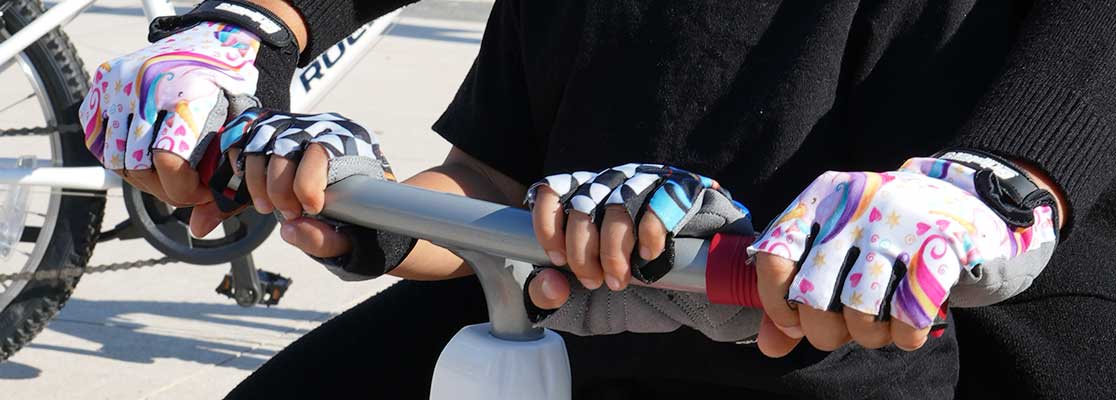
Comfort is crucial to bike gloves for young riders, and the right fit can prevent discomfort and improve handling.
- Proper Sizing: The right size is the first step toward comfort. Junior bike gloves that are too tight can restrict movement and cause pressure points, leading to discomfort even on short rides. Gloves that are too loose can slide around on the hand, reducing control and making it harder for young riders to steer or brake properly.
Measure your child’s hand from the base of the palm to the tip of the middle finger and compare it to the manufacturer’s sizing chart. Many junior bike gloves also include adjustable wrist straps to help fine-tune the fit. A well-fitted glove supports natural movement, prevents blisters, and improves confidence while biking.
- Soft and Flexible Materials: Junior gloves should be made from materials that allow natural hand movement and adapt to different cycling positions. Stretchable fabrics like spandex or lightweight synthetics provide flexibility while keeping the glove snug. Soft inner linings reduce friction and avoid skin irritation, even during long rides. Breathable fabrics allow air to circulate, preventing hands from overheating and becoming sweaty.
Gloves that combine softness with flexibility let children grasp handlebars securely without feeling restricted, making the cycling experience smoother and safer.
- Adjustable Closure: A wrist closure is essential to keep junior bike gloves in place during activity. Velcro straps are common and make it easy for children to put on and take off gloves independently. Some gloves use elastic bands for added security, keeping the glove in place even during active riding. Adjustable closures also allow gloves to accommodate slight growth, extending a pair’s usability over several months. A secure closure prevents the glove from sliding, helping maintain proper grip and reducing hand fatigue during rides.
Protection Features
Junior bike gloves must protect delicate hands from impacts and abrasions.
- Padded Palms: Padded kids bike gloves provide cushioning where it is needed most. Padded palms absorb shocks from rough terrain, bumps, and vibrations, reducing the risk of bruises and blisters.
Different types of padding, including foam, gel, or layered materials, offer varying levels of protection. Padding also enhances comfort during long rides and allows children to maintain a relaxed grip.
Gloves without proper padding can result in sore hands, making cycling less enjoyable and potentially affecting balance and control. Investing in gloves with quality padding ensures young cyclists can ride longer and more safely.
- Knuckle Protection: Some junior gloves feature reinforced areas over the knuckles. These reinforcements provide extra protection during minor falls or collisions. While hard-shell knuckle guards are more common in adult gloves, soft reinforcements in kids’ gloves help prevent scrapes and bruises while maintaining flexibility.
Knuckle protection is particularly helpful for adventurous riders who bike on trails or uneven surfaces. Even on city streets, slight impacts against handlebars or objects can injure hands, so knuckle padding adds an important safety layer for growing hands.
- Reinforced Fingertips: Reinforced fingertips improve durability in areas that experience the most wear. Fingertips also offer some protection during falls, reducing the risk of scrapes and cuts. Reinforcements are usually made from synthetic leather or similar tough materials, which extend the lifespan of gloves that face frequent friction.
For children, reinforced fingertips allow better grip on handlebars and brakes, while protecting delicate skin from rough surfaces. Investing in gloves with reinforced fingertips ensures that the pair remains functional even after regular, intensive use.
Grip and Control of Junior Bike Gloves
A good grip helps young riders steer confidently and reduces the chance of accidents.
- Textured Palm Surfaces: Textured or patterned palm surfaces increase contact between hands and bike handles. This improves control and stability, especially for smaller hands that may struggle to hold the handlebars securely. A textured palm also helps distribute pressure evenly, reducing hand fatigue during longer rides.
For children learning to ride or practicing braking and cornering, enhanced grip ensures smoother handling and prevents slips that could lead to minor accidents.
- Silicone or Rubber Prints: Some gloves include silicone or rubber prints on the palm or fingers. These prints create friction against handlebars, offering additional control on uneven terrain or when riding at faster speeds. This extra grip also allows children to brake more effectively and handle obstacles safely. Silicone prints are durable and maintain grip over time, even with frequent use and exposure to dirt, water, or sweat.
- Finger Flexibility: Gloves must allow fingers to move freely for braking and gear adjustments. Lightweight, flexible materials ensure that protective padding does not hinder hand movements. Flexible gloves allow children to perform the precise movements needed for steering, braking, and signalling turns. Restricted finger movement can lead to frustration and decreased confidence. Properly designed gloves balance protection with mobility, allowing young cyclists to develop better handling skills safely.
Durability and Maintenance of Junior Bike Gloves
Hopefully, your child wears their junior bike gloves every time they ride, so durability is important for long-term use.
- Strong Stitching: Children’s gloves experience pulling, stretching, and frequent handling, so strong stitching improves their longevity. Double or reinforced stitching at stress points prevents tearing. It also ensures that gloves maintain their shape, protective features, and comfort over time. Junior bike gloves that tear easily compromise protection and must be replaced sooner, which can be inconvenient and costly.
- Wear-Resistant Materials: Materials like synthetic leather, nylon, or reinforced fabric resist abrasion from friction against bike handles and other surfaces. Durable materials ensure gloves retain their cushioning, grip, and fit even after repeated use. High quality materials also help maintain the glove’s appearance, making it less likely to look worn or become damaged quickly. This is particularly useful for active children who ride daily.
- Easy Cleaning: Gloves that are easy to wash and dry save time for parents and children. Machine-washable gloves or hand-washable options with mild soap work best. Gloves that lose their shape or padding when cleaned can reduce your child’s comfort and protection. Selecting gloves that withstand frequent cleaning helps maintain their hygiene and prolongs their lifespan. This is particularly important for kids who ride often in muddy or wet conditions.
Visibility and Style of Junior Bike Gloves
While function is critical, visibility can add an extra layer of safety for children.
- Bright Colours: Gloves in bright colours make young riders easier to see on roads and trails. Bright colours are helpful for visibility during early morning or late afternoon rides. High-visibility gloves also give parents peace of mind and can improve recognition by drivers, cyclists, and pedestrians.
- Reflective Elements: Reflective strips or logos enhance cyclist visibility in low-light conditions. Even small reflective areas can make a difference for safety. Gloves with reflective details help drivers notice children quickly, reducing the risk of accidents.
- Designs and Patterns: Attractive designs encourage children to wear gloves consistently. Fun patterns, favourite colours, or character prints make gloves more appealing, ensuring children keep them on rather than leaving them off. Wearing gloves consistently increases safety, grip, and protection, while also giving children confidence and enjoyment while cycling.
Breathability and Temperature Control of Junior Bike Gloves
Junior bike gloves that allow airflow keep hands cool and comfortable during long rides.
- Mesh Panels: Mesh panels on the back of gloves promote air circulation and reduce sweating. Breathable areas prevent moisture build-up, keeping hands dry and comfortable. Gloves that trap heat can cause irritation and make gripping handlebars uncomfortable, especially in summer.
- Lightweight Materials: Lightweight fabrics reduce hand fatigue and allow longer rides without discomfort. Gloves that are too thick or heavy can make hands feel hot and tired. Lightweight gloves are easier for young cyclists to wear and help them focus on riding safely.
- Seasonal Considerations: Summer gloves are thin and breathable, while winter gloves may include light insulation for warmth. Some gloves include removable liners to adjust for different temperatures, allowing year-round use. Picking junior bike gloves suitable for seasonal conditions facilitates comfort and consistent use, which is essential for your child’s skill development and safety.
Ease of Use of Junior Bike Gloves
Children need bike gloves that are simple to put on, take off, and maintain.
- Pull Tabs: Pull tabs at the wrist help kids slide gloves on easily without struggling. This small feature encourages independence and makes it faster for children to get ready for rides.
- One-Hand Adjustments: Velcro straps that can be tightened with one hand allow children to secure gloves without your help. This promotes responsibility and ensures a snug fit without relying on adult assistance.
- Lightweight Design: Lightweight gloves are easier for children to handle and more comfortable to wear. Heavy gloves can feel restrictive and make young riders less likely to use them regularly. A lighter glove keeps the focus on cycling skills and safety rather than discomfort.
Safety and Hygiene Features of Junior Bike Gloves
Junior bike gloves should maintain hand safety while supporting good hygiene.
- Anti-Slip Materials: Anti-slip palms and fingers improve control and reduce the risk of accidents. These materials are especially important for young riders who are still learning balance and braking techniques.
- Sweat Absorption: Junior bike gloves with absorbent areas, especially on the thumb or palm, prevent sweat from dripping onto hands or handlebars. This improves grip and comfort during warm weather or long rides.
- Odour-Resistant Fabrics: Junior bike gloves made with odour-resistant or antimicrobial materials stay fresh even after frequent use. This reduces unpleasant smells and keeps gloves hygienic, making children more likely to wear them consistently.
Junior bike gloves are an essential part of a child’s cycling gear. They protect hands, improve grip, and make riding safer and more comfortable. Features like proper fit, padded palms, knuckle and fingertip reinforcement, and durable materials all contribute to their performance and longevity. Breathable fabrics, reflective elements, and adjustable closures improve your child’s comfort and safety. Parents looking for padded kids’ bike gloves should focus on these qualities to ensure their child enjoys riding without discomfort or risk of injury. Selecting gloves that combine protection, flexibility, ease of use, and hygiene supports a positive cycling experience and helps young riders develop safe habits from an early age.