
Riding a bike is an exciting experience for children, but hand protection is essential to prevent injuries. Children’s bike gloves provide safety, comfort, and improved grip, allowing young riders to control their bikes more effectively.
Picking the right gloves involves understanding their materials, fit, durability, and protective features. Younger children may need soft, flexible gloves, while older children might require gloves with reinforced palms and knuckles.
Parents often find it challenging to select the right pair due to the many options. Here we explain how to evaluate gloves based on their protection, materials, fit, grip, and seasonal needs. The idea is to help children ride safely and comfortably every time.
Let’s get started.
Why Children’s Bike Gloves Are Essential for Young Hands
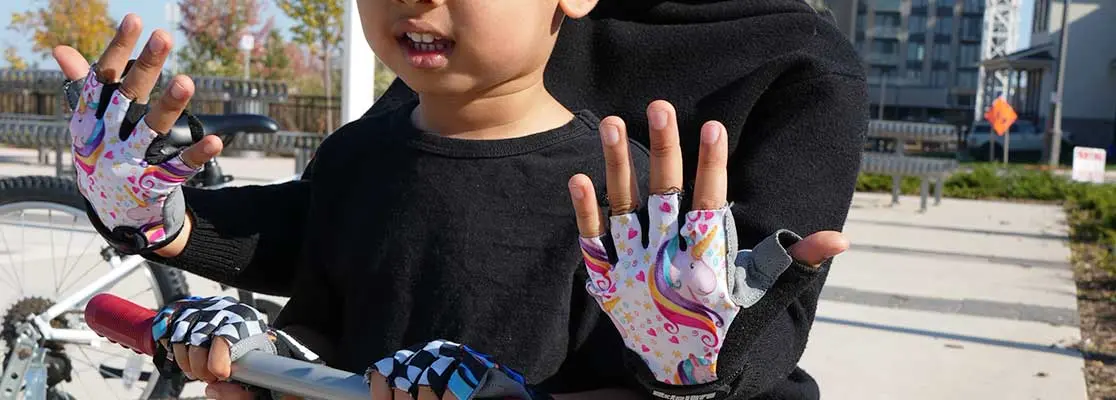
Children’s bike gloves protect hands, improve control, and add comfort, making every ride safer.
Safety and Protection
The main purpose of children’s bike gloves is to protect young hands from falls, bumps, and scrapes. Reinforced palms and padded knuckles absorb impacts, while additional padding on the fingers or wrists reduces the risk of cuts and bruises. For toddlers, gloves with soft, flexible protection allow free movement without compromising safety.
Quality gloves provide a barrier against abrasions and improve confidence while riding. When children feel their hands are secure, they are more likely to focus on handling the bike correctly, which improves their overall safety during each ride.
Material Choices
Gloves come in blends of leather, synthetic leather, mesh, and textiles. Leather is durable and highly protective, though it can be stiff for younger riders. Synthetic materials are lighter, more flexible, and easier to maintain. Mesh gloves offer ventilation, preventing sweaty hands, while textile gloves combine durability with comfort. For younger children, softer materials allow natural hand movement while providing basic protection. Selecting the right material makes sure gloves remain comfortable while maintaining their safety function.
Fit and Sizing
Proper fit is critical for children’s bike gloves to work effectively. Gloves that are too tight restrict movement and cause discomfort, while loose gloves can slip, reducing grip. Correctly fitted gloves improve control, reduce the risk of accidents, and help children handle their bikes more confidently.
Measuring hand width and length and following the manufacturer’s sizing charts helps achieve the correct fit. Adjustable wrist closures or elastic cuffs allow a snug fit and can accommodate slight growth.
Grip and Control
Grip is one of the most important functions of children’s bike gloves. Gloves with textured palms or silicone patterns improve friction, reducing the likelihood of slipping on handlebars. Younger riders benefit from gloves that are soft yet supportive, helping them maintain steady control. Smooth gloves may look appealing but can compromise grip, especially in wet conditions. Gloves that offer good control allow children to brake, steer, and maneuver safely, making rides both enjoyable and secure.
Comfort and Flexibility
Comfort is essential for children to consistently wear bike gloves. Comfortable bike gloves allow them to maintain control and reduce hand fatigue during longer rides.
Gloves with breathable fabrics, soft linings, and stretch panels reduce irritation and allow hands to move naturally. Flexible joints ensure that the gloves do not restrict finger movement, while still offering protection.
Note that bike gloves designed for toddlers should be soft and flexible without reducing grip.
Seasonal Considerations
Different weather conditions require different glove designs. Breathable gloves work best in warmer months, keeping hands dry and comfortable. Insulated gloves provide warmth in colder weather, while waterproof gloves protect hands from rain.
Selecting children’s bike gloves based on seasonal needs makes sure that young riders remain comfortable and safe regardless of temperature or weather conditions. Parents can keep separate pairs for summer and winter, or choose gloves designed for all-weather use.
Durability
Durability is an important factor when choosing children’s bike gloves. High quality stitching, reinforced palms, and sturdy materials increase glove lifespan. Leather gloves tend to last longer but may require extra care, while textile or mesh gloves are easier to clean and replace.
Gloves for younger children may need to be replaced more frequently due to hand growth, whereas older children may require more rugged gloves for rougher riding. Durable gloves provide consistent protection and reduce the need for frequent replacements.
Ease of Use
Children need gloves that are easy to put on and remove. Children’s bike gloves with Velcro, hook-and-loop fasteners, or elastic cuffs make putting them on easier. Toddlers benefit from gloves that are slightly looser and easy to open. Remember that gloves that are difficult to put on may discourage regular use or lead to improper fitting. Easy-to-use gloves ensure children always have protection when riding.
Style and Design
While safety is the main priority, an appealing design encourages children to wear their bike gloves. Bright colours, patterns, and recognizable characters can make protective gloves more appealing to young riders. That said, style should never compromise grip, flexibility, or safety. Allowing children to choose gloves they like increases acceptance and consistent use, making it easier to maintain safety routines.
Cleaning and Maintenance
Proper care prolongs the life of children’s bike gloves. Textile and mesh gloves can usually be handwashed and air dried, while leather gloves require specific cleaning products.
Regularly inspect gloves for worn areas, loose stitching, or reduced padding. Replacing gloves when it is needed ensures continued protection. Teaching children to care for their gloves also encourages responsibility and proper use.
Selecting by Age
Age and hand size influence glove selection. Toddlers need soft, flexible gloves that allow free movement while offering basic protection. Older children may require gloves with reinforced palms, knuckle protection, and extra padding. Choosing age-appropriate gloves ensures comfort, grip, and safety for children at different developmental stages.
Introducing Gloves to Children
Integrating gloves into their bike riding routine helps children understand their importance. Encourage consistent use by showing how gloves protect hands and improve control. Making gloves part of pre-ride preparation promotes safety habits. Letting children participate in selecting their own gloves will increase their willingness to wear them consistently.
Common Mistakes to Avoid
Parents often make mistakes when selecting children’s bike gloves. That includes focusing only on their appearance, buying the wrong size, or ignoring seasonal needs.
Choosing gloves without checking on the material quality, padding, or grip can compromise their safety. Avoiding these mistakes ensures children have gloves that protect and support their riding experience.
Recommended Features Checklist
When shopping for children’s bike gloves, look for:
- Reinforced palms and knuckles: Gloves with reinforced palms and knuckles provide extra protection against impacts, scrapes, and falls, helping to keep young hands safe during every ride.
- Adjustable wrist closures: These closures provide a snug fit that keeps gloves secure while accommodating growth, making them easy to put on and remove.
- Breathable or insulated material based on the season: Breathable fabrics prevent sweating and discomfort in warmer weather, while insulated or thicker materials keep hands warm during colder rides.
- Flexible fingers for comfort and movement: Gloves with flexible fingers allow natural hand movement, improving grip and control without restricting the child’s ability to steer or brake.
- Easy on-and-off design: Features such as Velcro or elastic cuffs make it easy for children to put on and take off the gloves independently, encouraging consistent use for safety.
- Durable stitching and materials: High-quality stitching and strong materials increase the longevity of gloves, ensuring continued protection even with regular use.
This checklist helps parents focus on essential features that make gloves safe and reliable.
Replacement Guidelines
Replace children’s bike gloves when the padding is compressed, stitching is worn, grip patterns fade, or the gloves no longer fit properly. Discomfort or restricted movement also indicates it is time for replacement. Regular inspections of your children’s bike gloves help to maintain their safety, comfort, and performance for every ride.
Picking the right children’s bike gloves is essential for protecting young hands, improving grip, and maintaining comfort. Parents should consider fit, material, flexibility, durability, and seasonal needs. Young children benefit from soft, flexible gloves that protect their hands while allowing easy movement, whereas older kids may need gloves with reinforced palms and knuckle padding. Properly fitted gloves improve control, support safe riding habits, and prevent injuries. Regular cleaning, maintenance, and timely replacement ensure continued protection. The right children’s bike gloves help young riders stay safe and comfortable while building confidence and hand skills.